
 Image 1 of 12
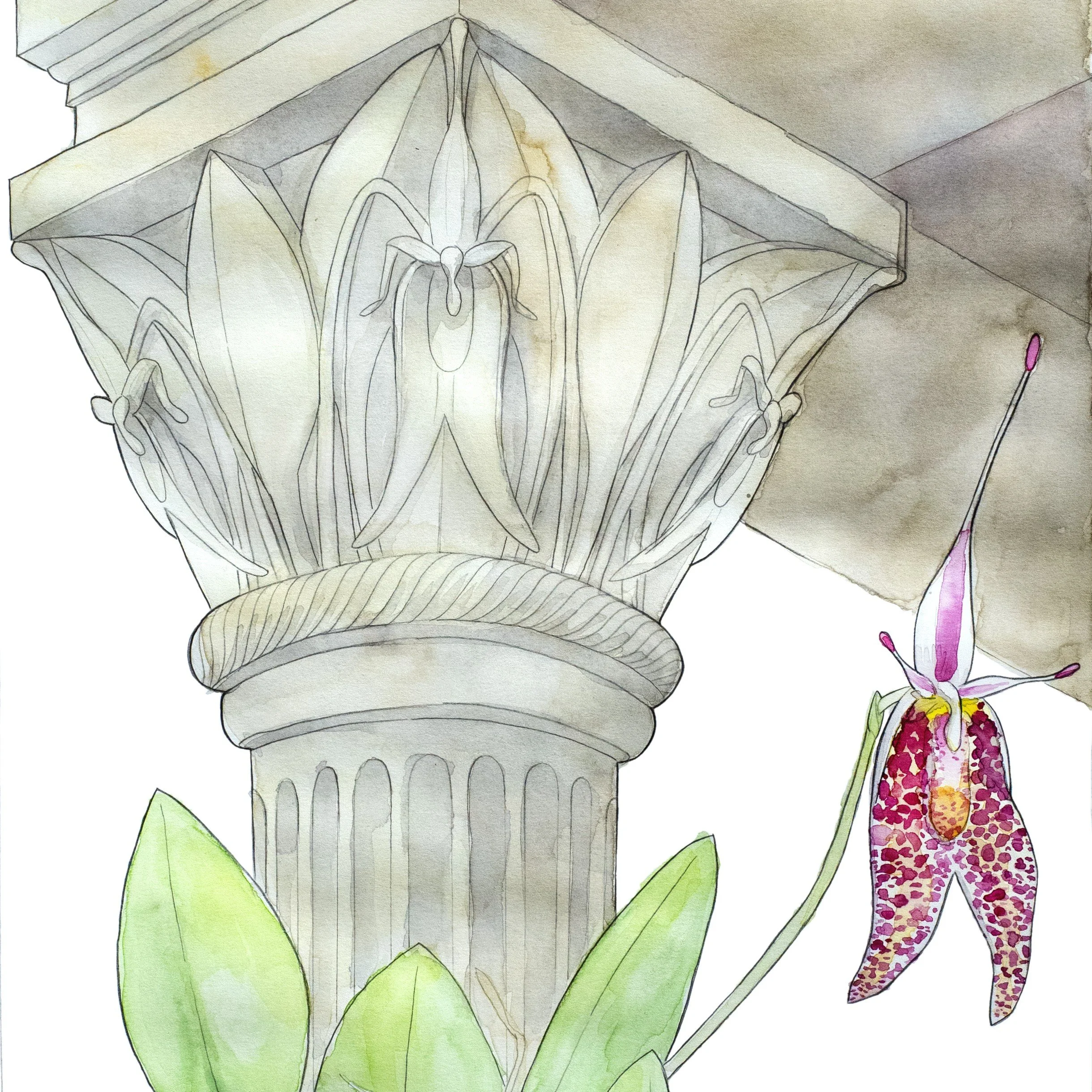 Image 2 of 12
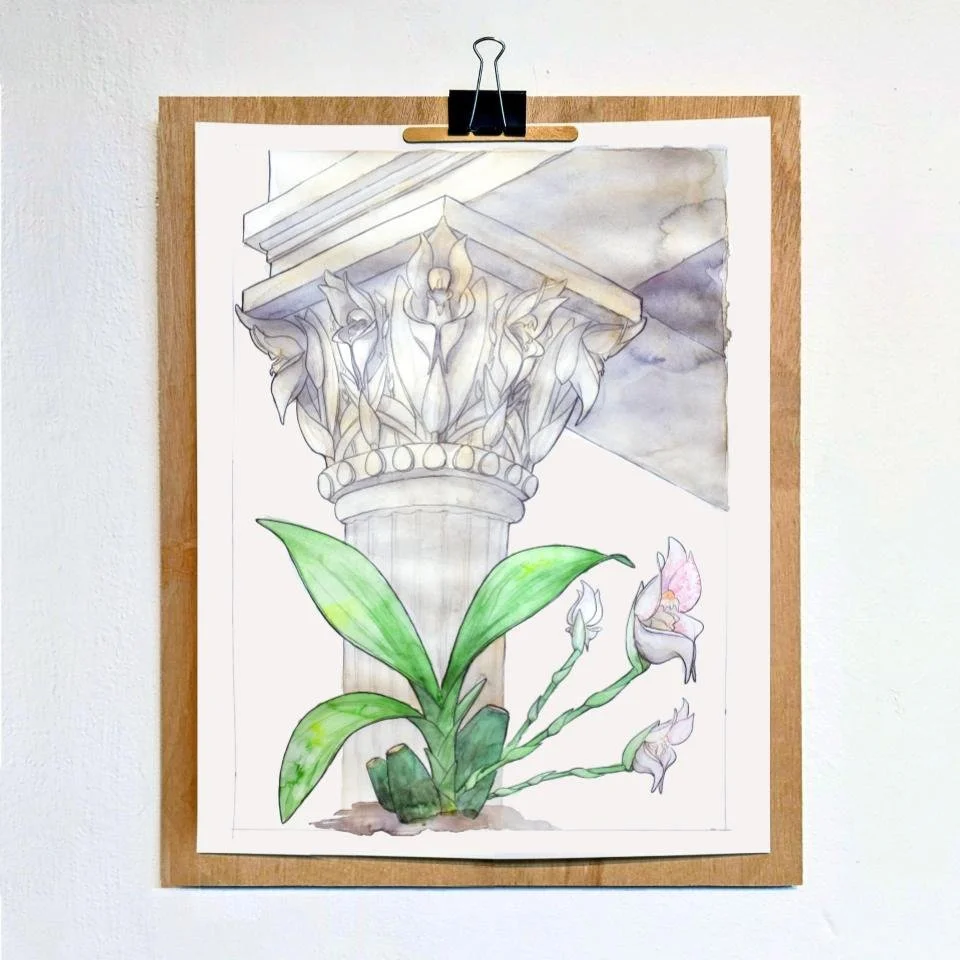 Image 3 of 12
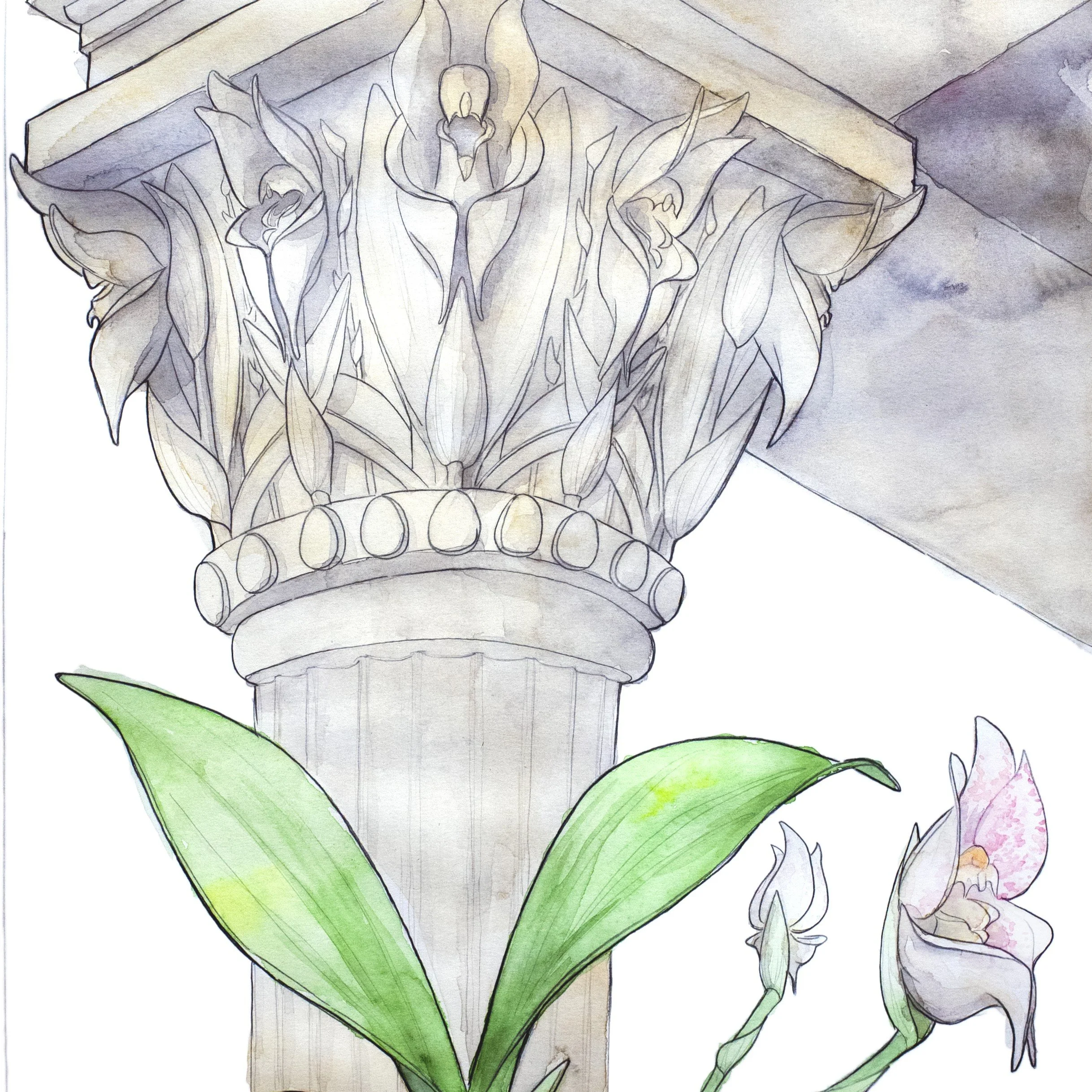 Image 4 of 12
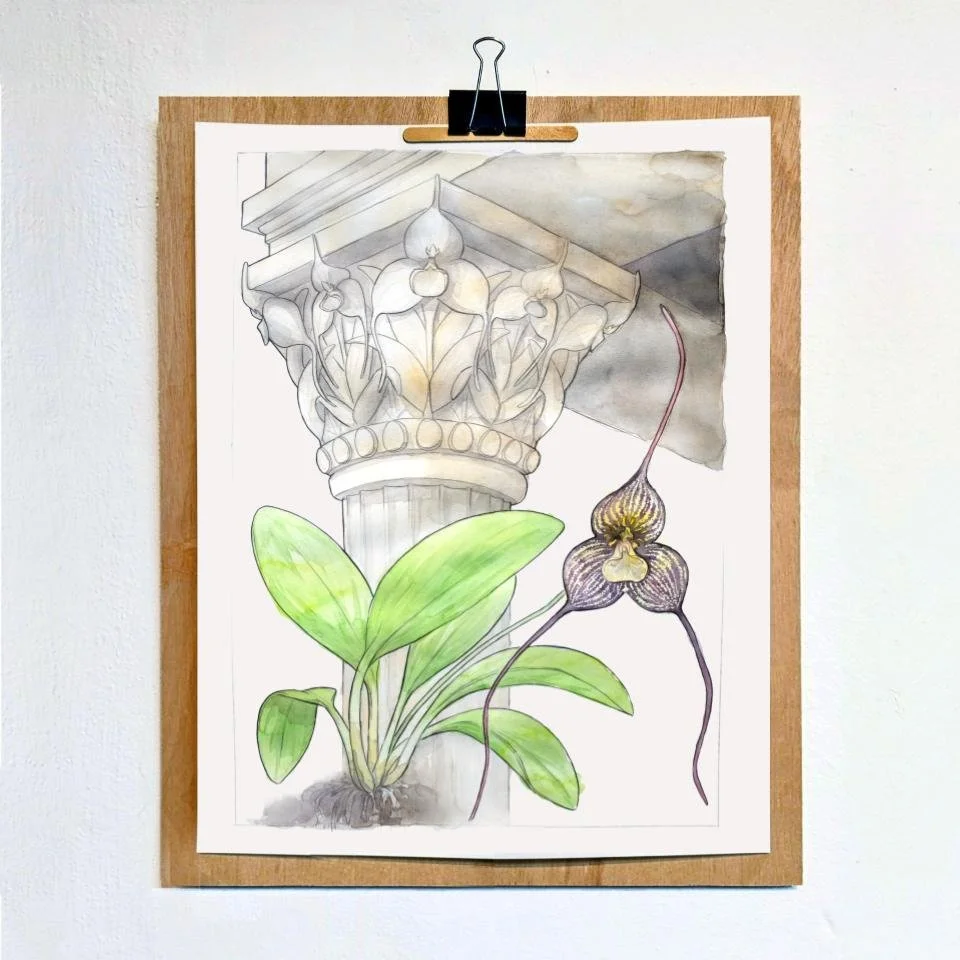 Image 5 of 12
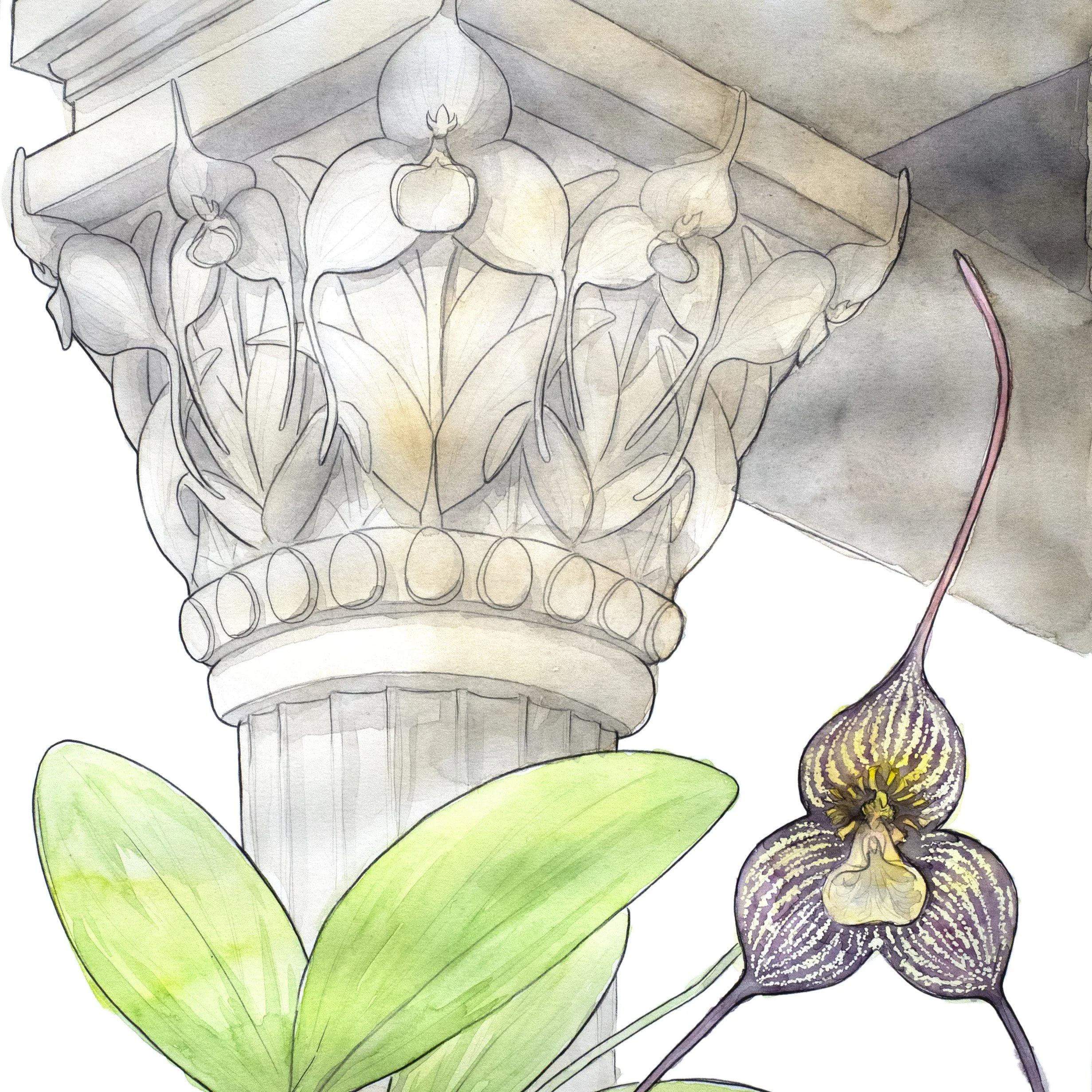 Image 6 of 12
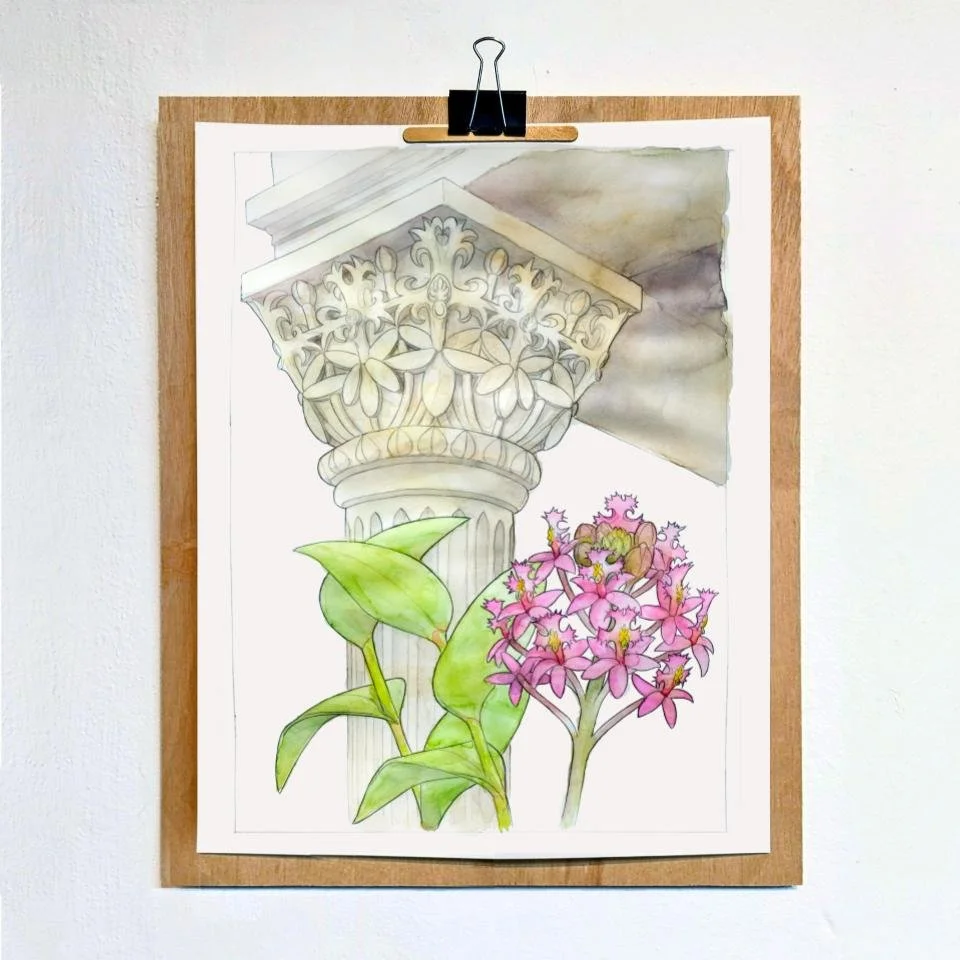 Image 7 of 12
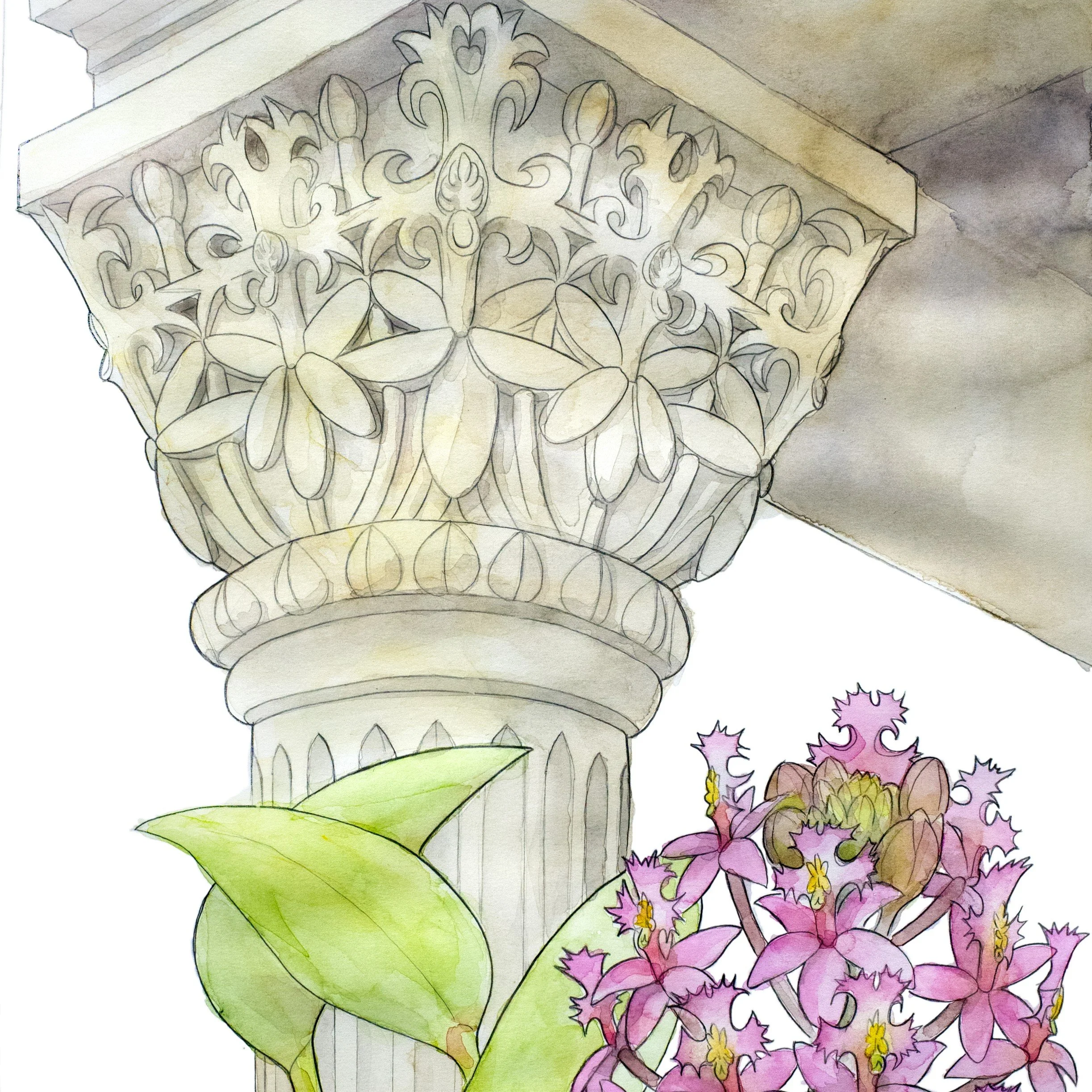 Image 8 of 12
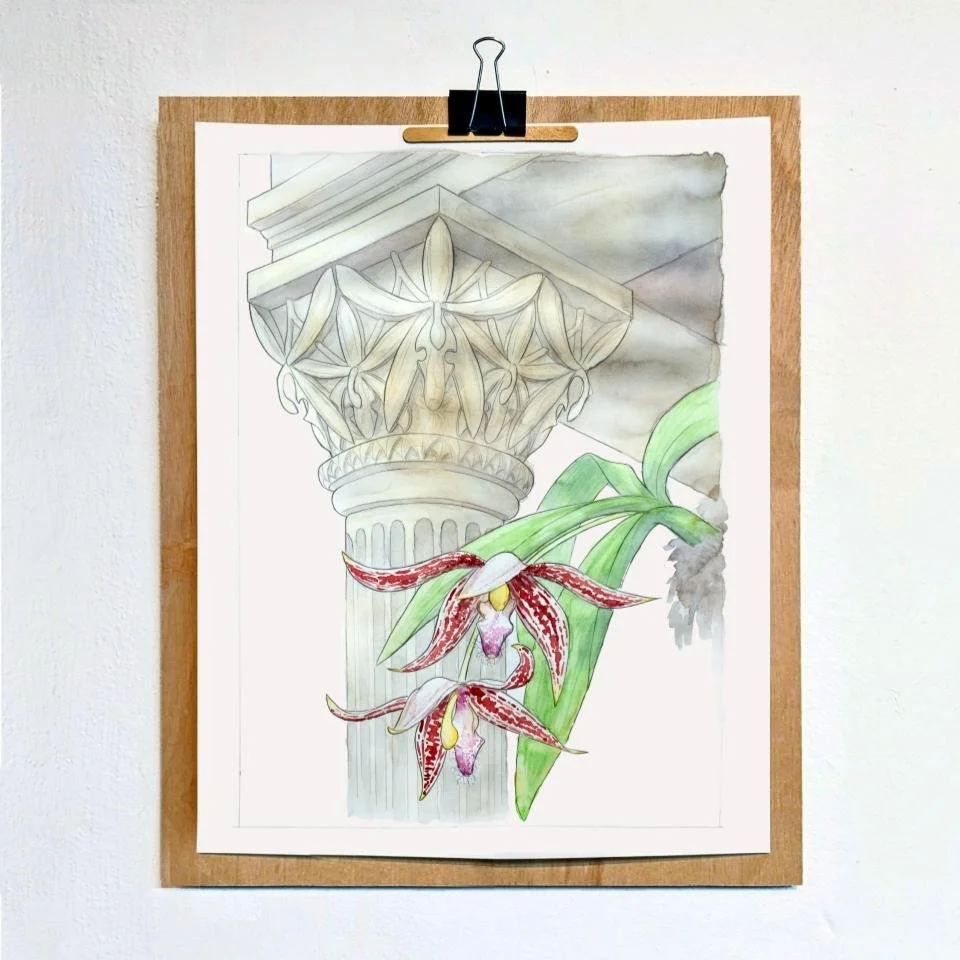 Image 9 of 12
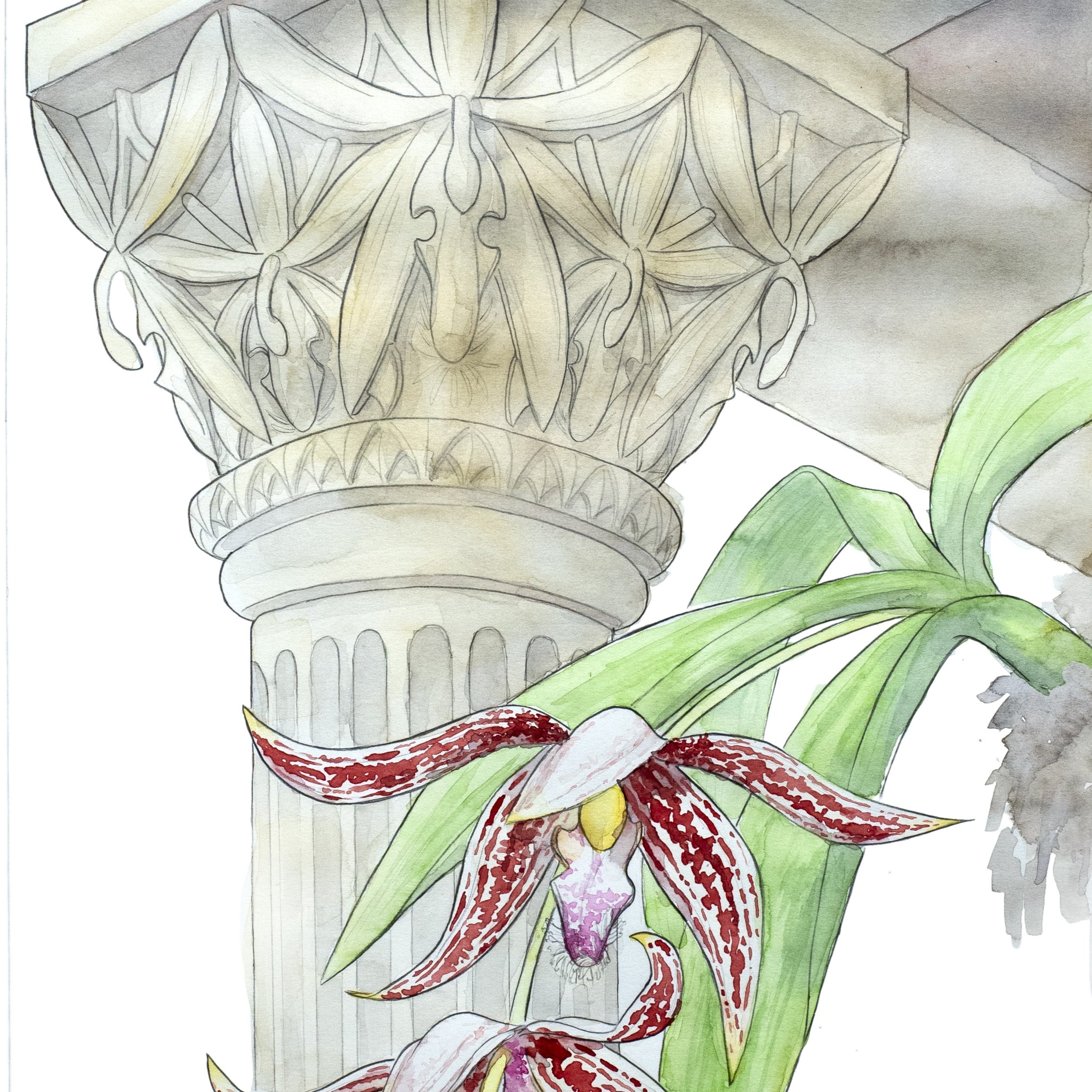 Image 10 of 12
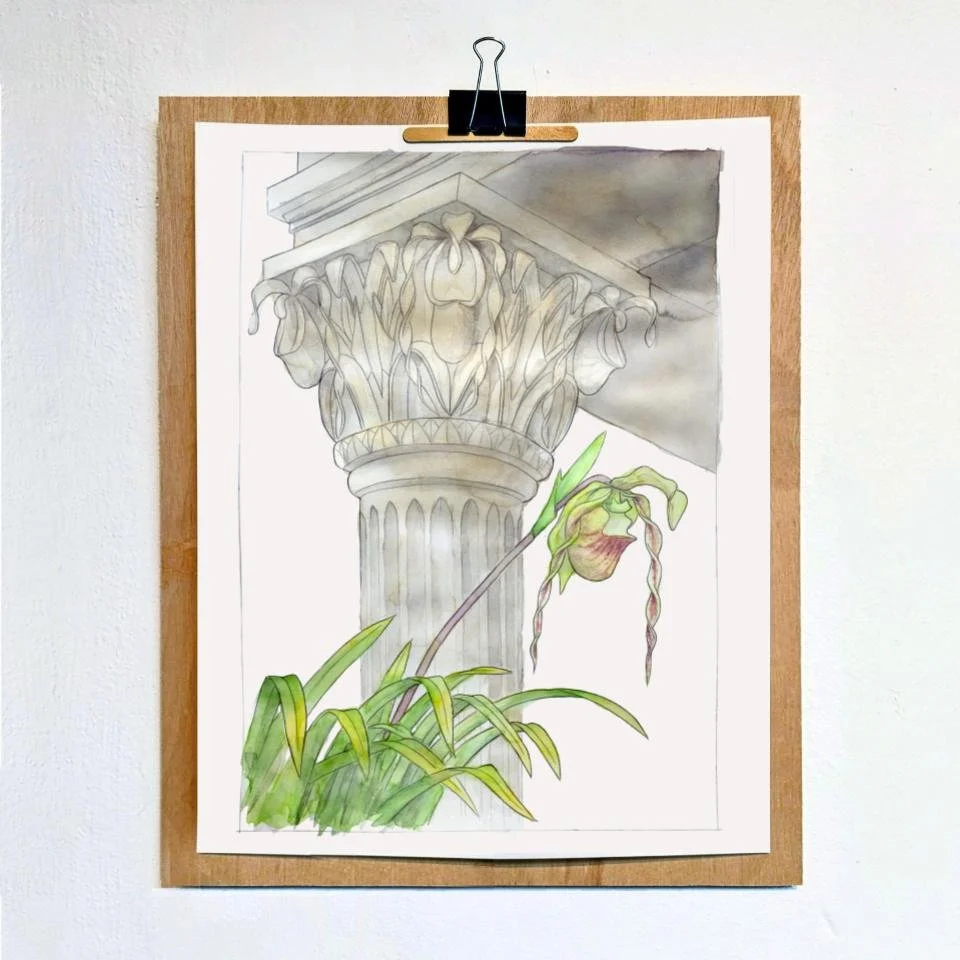 Image 11 of 12
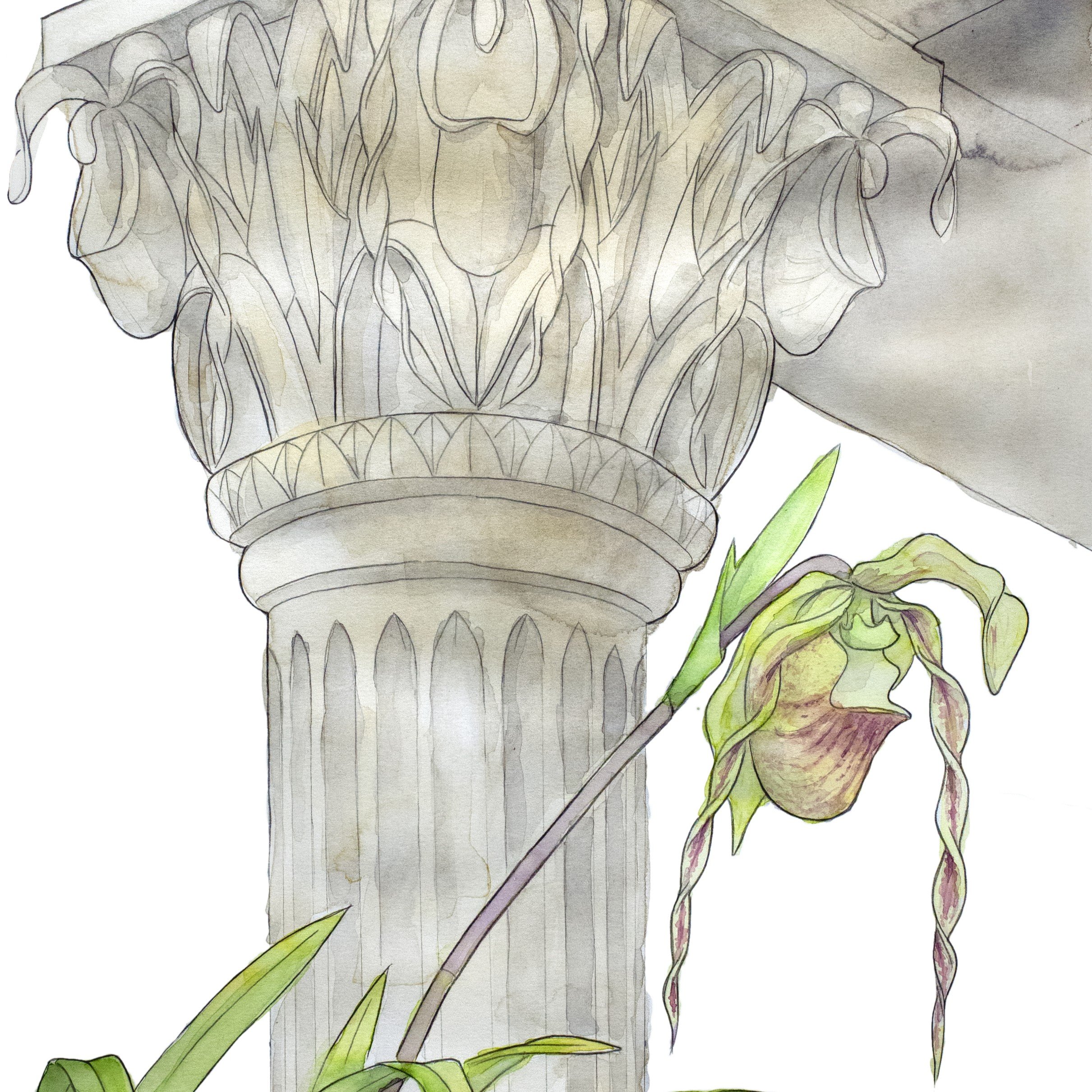 Image 12 of 12
More About the Collection
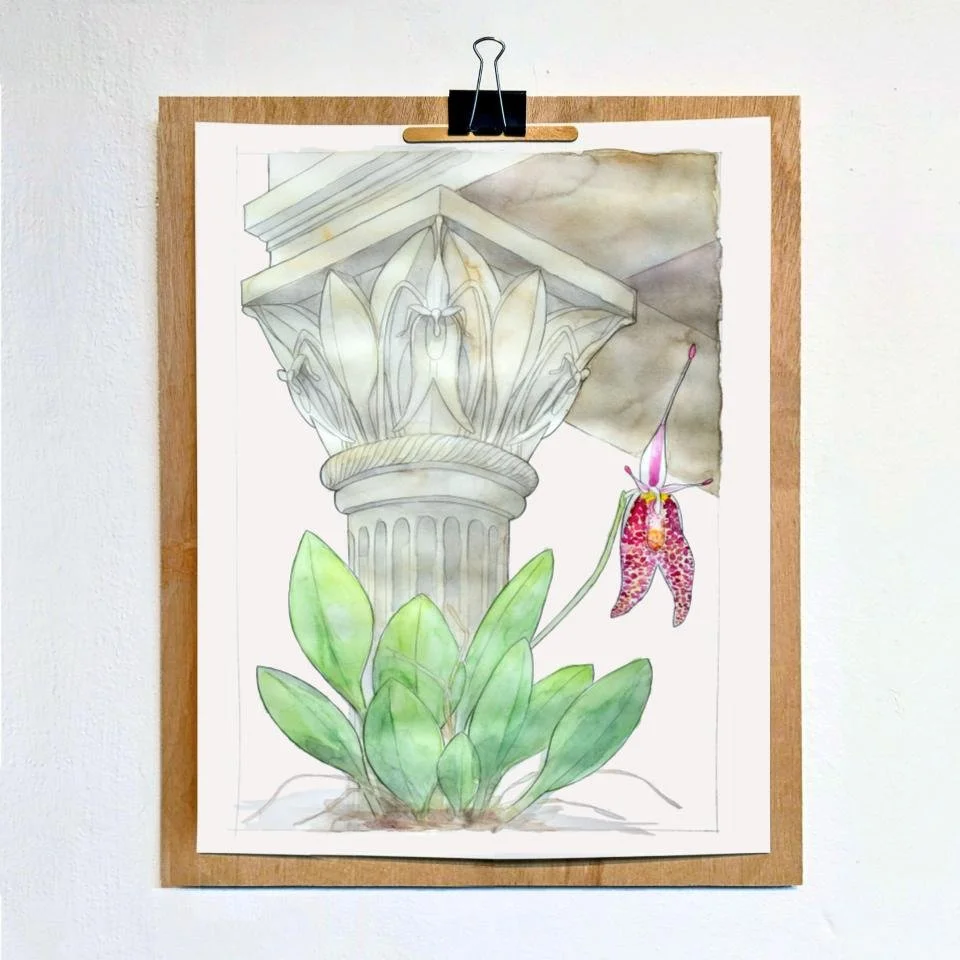
These paintings were produced during an artist residency at IdiomArt in Cuenca Ecuador.
Cuenca’s post-conquista architectural patrimony is an amalgamation of late-renaissance to neo-classical architecture brought to the city by Spanish, French, and Germans. With these Europeans came classical architectural styles and ornament dating from the ancient Greeks, largely depicting plants native to the Mediterranean. As these motifs were interpreted by local Cuencano craftsmen, they were adapted and reinterpreted based on local and familiar plants, leading to many uncanny representations in Cuenca’s architectural ornament - not quite the european flora that was intended, nor the bosque and paramo plants local craftsmen were familiar with.
Flora Urbana imagines an alternate history or potential future where the design of classical and neo-classical architectural ornamentation was intentionally adapted to represent local and endemic plants as the style spread throughout the colonial world. Both fantasy and commentary, the collection deals with the complicated history of globalization, the value of local traditions, biodiversity, and cultural patrimony.